

100 gm Paneer Protein: Complete Nutrition Guide for Fitness and Healthy Living
Paneer is one of the most popular and trusted protein sources in Indian households. From fitness enthusiasts to vegetarians, paneer has earned a permanent place in daily diets. When people ask “how much protein is in 100 gm paneer?”, they are usually looking for a clear, practical answer that helps them plan meals, build muscle, or maintain a healthy lifestyle. At ProteinLegend, we believe nutrition knowledge should be simple, accurate, and useful in real life.
If you grew up in India, you will know paneer is more than just another food item. It is a part of our celebrations, everyday meals, and even those last-minute “what should we cook today?” solutions. From the rich paneer butter masala served at weddings to the comforting paneer bhurji on a busy weekday, paneer somehow fits every mood and occasion. But beyond its versatility and taste, paneer has always held an important place in our diets for one big reason: its protein.
For vegetarians especially, finding good protein sources isn’t always easy. That’s where paneer becomes a reliable, wholesome choice. Packed with protein, calcium, and other vital nutrients, it not only satisfies your taste buds but also supports your health in meaningful ways.
In this blog, we will dive into everything you should know about paneer protein: how much protein there is in paneer per 100g, the complete nutritional breakdown, the difference between dairy and soya paneer, and the key benefits of including it in your diet. And to make things even easier, we will also share a few simple, delicious paneer recipes you can try at home.
Paneer, the versatile and beloved Indian cottage cheese, is a cornerstone of vegetarian cuisine across the subcontinent. This fresh, non-melting cheese is made by curdling milk with natural food acids like lemon juice or vinegar, producing a soft, protein-rich food that’s both delicious and wholesome. Its high-quality complete protein, along with essential minerals such as calcium and phosphorus, makes paneer a valuable part of a balanced diet. Additionally, its low lactose content allows many people with mild lactose intolerance to enjoy it without discomfort.
Packed with nutrients, paneer supports muscle health, bone strength, and satiety, making it equally popular among vegetarians, fitness enthusiasts, and health-conscious individuals. In this article, we’ll take a closer look at the detailed paneer nutrition profile, including its protein content per 100 g, vital micronutrients, and impressive health benefits. Whether you’re exploring new foods or aiming to boost your wellness routine, paneer offers both flavour and nourishment in every bite.
Protein Content: Paneer Protein Per 100 g
One of the most notable aspects of paneer nutrition is its high protein content. Paneer protein per 100 g ranges from 18 to 21 grams, making it an excellent source of this essential macronutrient for vegetarians and non-vegetarians alike. Consuming adequate protein is crucial for muscle maintenance, satiety, and overall health.
What Type of Protein Does Paneer Contain?
Paneer’s primary protein is casein, a slow-digesting, complete protein that contains all nine essential amino acids. This gradual digestion rate promotes a sustained release of amino acids into the bloodstream, supporting muscle repair and growth over an extended period.
This detailed guide explains everything you need to know about 100 gm paneer protein, its benefits, digestion, fitness relevance, and how it supports muscle growth and overall health.

Do You Know: Storm Shaker for Gym Bottle 700ml Amazon Check it…
How Much Protein Is in 100 gm Paneer?
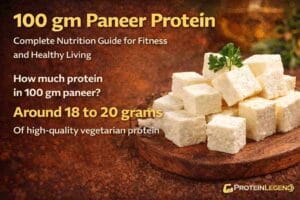
One of the most common nutrition questions is about paneer protein content. On average, 100 grams of fresh paneer contains around 18 to 20 grams of protein. The exact amount may vary depending on how the paneer is prepared, the quality of milk used, and whether it is homemade or store-bought.
This protein content makes paneer one of the richest vegetarian protein sources available. Unlike many plant foods, paneer provides complete protein, meaning it contains all essential amino acids required by the body.
Why Paneer Protein Is Considered High Quality
Protein quality is not just about quantity but also about how well the body can use it. Paneer is derived from milk, which makes it a dairy-based complete protein. This means the amino acid profile of paneer supports muscle repair, tissue growth, and overall body maintenance.
The protein in paneer is slow-digesting. This helps provide a steady release of amino acids into the bloodstream, keeping muscles nourished for longer periods. This is why paneer is often recommended for night-time meals or dinner.
If you grew up in India, you will know paneer is more than just another food item. It is a part of our celebrations, everyday meals, and even those last-minute “what should we cook today?” solutions. From the rich paneer butter masala served at weddings to the comforting paneer bhurji on a busy weekday, paneer somehow fits every mood and occasion. But beyond its versatility and taste, paneer has always held an important place in our diets for one big reason: its protein.
For vegetarians especially, finding good protein sources isn’t always easy. That’s where paneer becomes a reliable, wholesome choice. Packed with protein, calcium, and other vital nutrients, it not only satisfies your taste buds but also supports your health in meaningful ways.
In this blog, we will dive into everything you should know about paneer protein: how much protein there is in paneer per 100g, the complete nutritional breakdown, the difference between dairy and soya paneer, and the key benefits of including it in your diet. And to make things even easier, we will also share a few simple, delicious paneer recipes you can try at home.
- Calories in Paneer per 100g: With about 300 kcal, paneer provides steady energy. These aren’t empty calories but nutrient-dense ones that fuel your body and keep you satisfied longer.
- Paneer Protein per 100g: Protein in paneer comes to around 25 g per 100 g, making it a strong vegetarian source of protein. It helps with muscle repair, supports growth, and helps regulate hunger, which is beneficial for both fitness and everyday health.
- Calcium in Paneer: One of the biggest strengths of paneer is its calcium content (about 400 mg per 100 g). This supports strong bones and teeth, helping to reduce the risk of bone issues as you age.
- Other Nutrients in Paneer: Paneer also carries sodium. vitamin B12, potassium, and healthy fats. Together, these nutrients support metabolism, nerve function, heart health, and hormone balance, making paneer more than just a protein food.
Soya Paneer vs Milk Paneer: Protein Content
In India, when we say paneer, most people think of the soft, creamy milk paneer made from cow or buffalo milk. It’s rich, flavorful, and a staple in countless Indian recipes. But in recent years, soya paneer, popularly known as tofu, has also found its way into kitchens, especially among those looking for a lighter, plant-based or vegan-friendly option.
While paneer protein per 100g (milk paneer) is about 22-25 g, soya paneer protein per 100g is slightly lower, usually around 8–10 g. However, tofu is almost fat-free, easier to digest for those who are lactose intolerant, and still a healthy source of protein. So, whether it’s the traditional dairy paneer or its soya-based plant protein, both have their own place depending on dietary choices and health needs.
Benefits of Adding Paneer to Your Diet
Paneer has always been more than just a tasty ingredient in Indian kitchens but also a quiet contributor to good health. Many of us grew up hearing elders say, “Paneer khao, taakat aayegi” (eat paneer, it gives strength), and as it turns out, there’s real truth behind that. Here’s why adding paneer to your diet regularly can make such a difference:
- Keeps You Full and Energised: The protein in paneer per 100g is not only great for building muscles but also helps you stay full for longer. That means fewer random snack cravings and more steady energy throughout the day.
- Supports Muscle and Strength: For anyone into fitness, or even those who just want to feel stronger, paneer is a fantastic option. Its high protein content helps repair muscles after workouts and supports growth. No wonder it’s a favourite for vegetarians who don’t rely on meat or eggs.
- Strong Bones and Teeth: Paneer’s calcium content is a real bonus. Including it regularly helps in maintaining bone density, making it especially important for kids in their growing years and older adults who need to protect their bones.
- Good for Weight Management: Even though paneer is calorie-dense, it works surprisingly well for people trying to lose weight. Because it digests slowly, you feel full for longer, which naturally reduces overeating. At the same time, for those trying to gain a healthy weight, larger portions of paneer provide both calories and nutrition.
- Everyday Nutrition Made Simple: Paneer also brings in vitamin B12, healthy fats, and minerals like magnesium and potassium. These support everything from nerve health to metabolism. The best part? You don’t need fancy recipes; just a few cubes tossed into your meals can boost your nutrition without extra effort.
So whether it’s a quick paneer salad for lunch, paneer curry at dinner, or grilled paneer as a snack, this humble milk-based superfood quietly does a lot for your body while delighting your taste buds.
Paneer Protein Per 100g
To understand paneer better, let’s look at its nutrition profile. On average, here’s what 100 grams of fresh paneer contains:
| Nutrient | Amount (per 100g) |
| Calories | 321 kcal |
| Protein | 25 g |
| Fat | 22-25 g |
| Carbohydrates | 3.5 g |
| Calcium | 407 mg |
| Sodium | 18 mg |
| Potassium | 71mg |
- Calories in Paneer per 100g: With about 300 kcal, paneer provides steady energy. These aren’t empty calories but nutrient-dense ones that fuel your body and keep you satisfied longer.
- Paneer Protein per 100g: Protein in paneer comes to around 25 g per 100 g, making it a strong vegetarian source of protein. It helps with muscle repair, supports growth, and helps regulate hunger, which is beneficial for both fitness and everyday health.
- Calcium in Paneer: One of the biggest strengths of paneer is its calcium content (about 400 mg per 100 g). This supports strong bones and teeth, helping to reduce the risk of bone issues as you age.
- Other Nutrients in Paneer: Paneer also carries sodium. vitamin B12, potassium, and healthy fats. Together, these nutrients support metabolism, nerve function, heart health, and hormone balance, making paneer more than just a protein food.
Paneer Protein and Muscle Building
For people focused on muscle growth, protein intake is critical. When you consume 100 gm paneer protein, you provide your muscles with the building blocks they need to repair and grow after workouts. Paneer supports muscle recovery by reducing muscle breakdown and improving strength over time.
Fitness enthusiasts often include paneer in their post-workout meals or evening meals because it supports lean muscle mass without causing sudden insulin spikes. At ProteinLegend, we recommend paneer as a natural protein source alongside a balanced training routine.
Paneer as a Vegetarian Protein Powerhouse
Vegetarians often struggle to meet their daily protein needs. Paneer solves this problem efficiently. With nearly 20 grams of protein per 100 grams, paneer competes strongly with eggs and some meat sources in protein density.
Unlike many plant proteins, paneer does not lack essential amino acids. This makes it especially valuable for vegetarians who want strength, endurance, and muscle definition without relying on supplements alone.
Digestibility of Paneer Protein
Another advantage of paneer protein is digestibility. Paneer is easier to digest compared to many legumes and soy-based proteins. It does not cause bloating or digestive discomfort for most people when consumed in moderate amounts.
Because paneer digests slowly, it helps maintain satiety for longer hours. This means you feel full, energized, and less likely to overeat. This property makes paneer suitable for both muscle gain and fat loss diets.
Soya Paneer vs Milk Paneer: Protein Content
In India, when we say paneer, most people think of the soft, creamy milk paneer made from cow or buffalo milk. It’s rich, flavorful, and a staple in countless Indian recipes. But in recent years, soya paneer, popularly known as tofu, has also found its way into kitchens, especially among those looking for a lighter, plant-based or vegan-friendly option.
While paneer protein per 100g (milk paneer) is about 22-25 g, soya paneer protein per 100g is slightly lower, usually around 8–10 g. However, tofu is almost fat-free, easier to digest for those who are lactose intolerant, and still a healthy source of protein. So, whether it’s the traditional dairy paneer or its soya-based plant protein, both have their own place depending on dietary choices and health needs.
Benefits of Adding Paneer to Your Diet
Paneer has always been more than just a tasty ingredient in Indian kitchens but also a quiet contributor to good health. Many of us grew up hearing elders say, “Paneer khao, taakat aayegi” (eat paneer, it gives strength), and as it turns out, there’s real truth behind that. Here’s why adding paneer to your diet regularly can make such a difference:
- Keeps You Full and Energised: The protein in paneer per 100g is not only great for building muscles but also helps you stay full for longer. That means fewer random snack cravings and more steady energy throughout the day.
- Supports Muscle and Strength: For anyone into fitness, or even those who just want to feel stronger, paneer is a fantastic option. Its high protein content helps repair muscles after workouts and supports growth. No wonder it’s a favourite for vegetarians who don’t rely on meat or eggs.
- Strong Bones and Teeth: Paneer’s calcium content is a real bonus. Including it regularly helps in maintaining bone density, making it especially important for kids in their growing years and older adults who need to protect their bones.
- Good for Weight Management: Even though paneer is calorie-dense, it works surprisingly well for people trying to lose weight. Because it digests slowly, you feel full for longer, which naturally reduces overeating. At the same time, for those trying to gain a healthy weight, larger portions of paneer provide both calories and nutrition.
- Everyday Nutrition Made Simple: Paneer also brings in vitamin B12, healthy fats, and minerals like magnesium and potassium. These support everything from nerve health to metabolism. The best part? You don’t need fancy recipes; just a few cubes tossed into your meals can boost your nutrition without extra effort.
Paneer Protein and Weight Management
There is a common misconception that paneer leads to weight gain. In reality, 100 gm paneer protein can support weight loss when consumed correctly. High-protein foods increase metabolism, reduce hunger, and preserve lean muscle during calorie deficits.
Paneer helps control cravings by stabilizing blood sugar levels. When paired with vegetables or whole grains, it becomes a powerful weight-friendly meal option. Portion control and preparation method play a key role in its effectiveness.
Paneer Nutrition Beyond Protein
While protein is the highlight, paneer also provides other essential nutrients. It contains calcium, which supports bone strength and joint health. Paneer also offers healthy fats that help hormone production and nutrient absorption.
These additional nutrients make paneer a complete food rather than just a protein source. This is one reason paneer has been part of Indian diets for generations.
Homemade Paneer vs Store-Bought Paneer Protein
The protein content in homemade paneer is often slightly higher and cleaner compared to commercial paneer. Homemade paneer is free from preservatives and artificial stabilizers, making it easier to digest.
Store-bought paneer can still be a good option if sourced from a trusted brand. Always check freshness, texture, and ingredient quality to ensure maximum protein benefit.
Paneer Protein for Gym and Fitness Lifestyle
For people who train regularly, paneer offers sustained energy and muscle nourishment. Consuming 100 gm paneer protein helps repair muscle fibers damaged during strength training or cardio workouts.
Paneer fits well into gym diets because it complements whey protein and plant-based protein sources. Many athletes use paneer as a whole-food protein alternative instead of relying entirely on supplements.
3 Easy and Delicious Paneer Recipes to Try at Home
1. Paneer Bhurji (Scrambled Paneer)
Ingredients:
- 200 g fresh paneer, crumbled
- 1 medium onion, finely chopped
- 1 tomato, finely chopped
- 1–2 green chillies, chopped (optional)
- 1 tsp ginger-garlic paste
- ½ tsp turmeric powder
- ½ tsp red chilli powder
- Salt to taste
- 1 tbsp oil or ghee
- Fresh coriander leaves for garnish
How to Make:
Heat oil in a pan and sauté onions till golden. Add ginger-garlic paste, then tomatoes, and cook until soft. Mix in turmeric, chili powder, and salt. Then, add the crumbled paneer and stir gently for 2–3 minutes. Garnish with coriander and serve hot with roti or paratha.
Nutritional Highlight: A serving of paneer bhurji (about 150 g) gives about 22-25 g of protein, moderate fats, and around 300-350 calories. Great for breakfast or dinner when you need a protein-rich, filling meal.
2. Grilled Paneer Tikka
Ingredients:
- 250 g paneer, cut into cubes
- 2 tbsp hung curd (or greek yoghurt)
- 1 tsp ginger-garlic paste
- ½ tsp turmeric powder
- ½ tsp red chilli powder
- ½ tsp garam masala
- 1 tsp lemon juice
- Salt to taste
- 1 tbsp oil
- Onion and capsicum cubes (optional, for skewers)
How to Make:
Mix curd with spices, lemon juice, and oil to make a marinade. Coat the paneer cubes (and veggies, if using) in the marinade and leave for at least 20 minutes. Grill on a pan, tandoor, or oven until slightly charred. Serve hot with mint chutney and lemon wedges.
Nutritional Highlight: Paneer tikka is protein-packed with 20–22 g protein per serving) but lower in calories than heavy gravies. A portion has around 250-300 calories, making it a healthier evening snack or party starter.
Best Time to Eat Paneer for Protein Benefits
Paneer can be eaten at different times depending on fitness goals. Consuming paneer at night helps prevent muscle breakdown during sleep due to its slow-digesting nature. Eating paneer during lunch provides long-lasting energy throughout the day.
The timing should align with your daily protein requirements and activity level. At ProteinLegend, we encourage consistency over timing perfection.
Paneer Protein and Overall Health
Regular consumption of paneer protein supports immune health, muscle strength, and metabolic function. Protein plays a vital role in enzyme production, hormone balance, and cell repair.
Paneer also supports mental focus by providing steady energy without sudden crashes. This makes it suitable for working professionals, students, and active individuals alike.
How Much Paneer Protein Should You Eat Daily?
The amount of paneer you should consume depends on body weight, activity level, and fitness goals. For most people, including 100 to 200 grams of paneer daily fits well into a balanced diet.
Excess consumption should be avoided, especially if paneer is prepared with heavy fats. Balance is the key to long-term health and fitness success.
Paneer Protein Myths Explained
Some people believe paneer causes fat gain or digestion issues. These myths usually come from overconsumption or poor cooking methods. When eaten in proper quantity and prepared simply, paneer is one of the cleanest protein sources available.
Another myth is that paneer protein is inferior to animal protein. In reality, paneer offers complete protein similar to milk-based sources.
Why ProteinLegend Recommends Paneer
At ProteinLegend, our focus is on natural, effective, and sustainable nutrition. Paneer fits perfectly into this philosophy. It is accessible, affordable, and versatile, making it suitable for beginners and advanced fitness enthusiasts alike.
Paneer bridges the gap between traditional food and modern fitness nutrition, making it a legendary choice for protein intake.
Frequently Asked Questions
Q. How much protein is in 100g of paneer?
Ans. On average, 100 grams of paneer contains about 22-25 grams of protein. This makes it one of the best vegetarian sources of protein, almost on par with animal-based foods like eggs or chicken. It’s especially useful for vegetarians who often struggle to meet their daily protein needs.
Q. Is tofu better than paneer?
Ans. Both tofu (soya paneer) and milk paneer have their own advantages. Tofu is lighter, lower in fat, and vegan-friendly, with about 8–10 grams of protein per 100 g. Milk paneer, on the other hand, is richer in protein (around 25 g per 100 g) and calcium. If you are lactose intolerant or following a vegan lifestyle, tofu may be a better option. But if you are looking for higher protein per gram and bone-strengthening nutrients, milk paneer is a great choice.
Q. How much paneer is equal to 2 eggs?
Ans. Two medium eggs provide around 12 grams of protein. To match that amount of protein, you would need about 50-60 grams of paneer, since the protein in paneer per 100g is roughly 25 grams. So for vegetarians, paneer can easily be a good substitute for eggs in terms of protein.
Q. Can I eat 200 g of paneer daily?
Ans. Yes, you can eat 200 grams of paneer daily if your diet and activity level support it. That much paneer would give you around 45-50 grams of protein, along with healthy fats and calcium. However, if you are trying to lose weight or are not very physically active, it’s best to balance paneer with other foods and avoid overdoing it, since paneer can also be high in calories.
Q. What are the benefits of paneer?
Ans. Paneer is rich in protein, calcium, vitamin B12, and healthy fats. It helps in muscle growth, keeps you full for longer, supports strong bones and teeth, and provides steady energy. For vegetarians, it is one of the most convenient and wholesome sources of protein. Plus, it’s versatile, so you can enjoy it in curries, salads, snacks, or even simple roasted cubes.
Conclusion
So, how much protein is in 100 gm paneer? The answer is clear: around 18 to 20 grams of high-quality protein. Paneer is not just a food; it is a powerful nutrition tool for muscle growth, weight management, and overall health.
Whether you are a gym-goer, vegetarian, or someone simply trying to eat better, paneer deserves a place in your daily diet. With proper portions and mindful preparation, paneer protein can support your fitness journey naturally and effectively.
ProteinLegend believes that real strength starts with real food, and paneer is a true legend among protein sources.