

Introduction to 100g Paneer Protein
Protein is one of the most important nutrients required by the human body for muscle development, 100g paneer protein tissue repair, and overall health. In India, paneer is considered one of the most popular and accessible sources of protein for vegetarians. Many people who follow a vegetarian diet rely heavily on paneer because it contains a good amount of protein along with calcium, healthy fats, and essential vitamins. When discussing protein intake, a common question people ask is how much protein is present in 100g paneer and whether it is enough for daily nutrition needs.
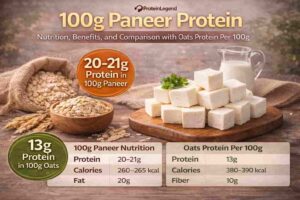
A serving of 100 grams of paneer typically contains around twenty to twenty-one grams of protein depending on the fat content and preparation method. This makes paneer a powerful vegetarian protein source that can easily be added to meals like curries, salads, sandwiches, and grilled dishes. Paneer is made by curdling milk with an acidic substance such as lemon juice or vinegar, which separates the curds from the whey. These curds are then pressed to form the solid block of paneer that is widely used in Indian cuisine.
People who are interested in improving muscle growth, weight management, or overall nutrition often compare paneer protein per 100g with other plant foods such as oats. Oats are also known for their nutritional benefits and contain moderate levels of protein along with fiber and complex carbohydrates. Understanding how these foods contribute to protein intake helps individuals plan balanced diets that support both health and fitness goals.
In the modern fitness world, protein has become a central focus for athletes, gym enthusiasts, and people who simply want to maintain a healthy lifestyle. Foods like paneer and oats are frequently recommended because they are natural, widely available, and packed with essential nutrients. Learning about the nutritional profile of these foods allows individuals to make better dietary choices that support muscle building, recovery, and long-term health.
Paneer Protein Per 100g
Paneer protein per 100g is one of the main reasons this dairy product is so widely consumed in vegetarian diets. On average, one hundred grams of paneer contains approximately twenty grams of protein, which is considered a high amount for a natural vegetarian food. This protein is derived from milk and is classified as a complete protein because it contains all essential amino acids required by the human body.
The presence of essential amino acids makes paneer extremely beneficial for muscle repair and growth. Amino acids are the building blocks of protein and play a crucial role in maintaining muscle tissues, supporting immune function, and promoting overall body strength. Because paneer is rich in casein protein, it digests slowly in the body, providing a steady supply of amino acids for several hours.
Another advantage of paneer protein per 100g is that it comes along with important nutrients like calcium, phosphorus, vitamin B12, and healthy fats. Calcium supports bone health while phosphorus contributes to energy production in the body. These nutrients make paneer not just a protein source but also a complete nutritional food.
Paneer is also extremely versatile in cooking. It can be grilled, sautéed, added to curries, or eaten raw in salads. This versatility allows people to incorporate it into various diets without becoming bored of the same meal repeatedly. Fitness enthusiasts often prefer paneer because it provides sustained energy and helps maintain muscle mass during workouts and recovery periods.
Oats Protein Per 100g
Oats protein per 100g is another nutritional topic that attracts attention among health-conscious individuals. Oats are primarily known as a carbohydrate source, but they also contain a decent amount of protein. 100g paneer protein On average, one hundred grams of oats contains about thirteen grams of protein, which is quite significant for a grain.
Unlike paneer, oats are plant-based and contain fiber known as beta-glucan that supports heart health and digestion. The protein in oats is not considered a complete protein because it lacks certain essential amino acids in sufficient amounts. However, when combined with other foods such as milk, nuts, or seeds, oats can become part of a balanced protein intake strategy.
Many people consume oats as breakfast because they provide slow-digesting carbohydrates and sustained energy throughout the day. Oats can be prepared as oatmeal, smoothies, overnight oats, or protein bowls. This makes them extremely convenient for people who want nutritious meals without spending too much time cooking.
The presence of protein in oats makes them useful for muscle recovery as well. When paired with milk or yogurt, the protein content increases significantly, turning oats into a powerful post-workout meal. This combination is widely recommended by nutritionists and fitness experts for balanced nutrition.
100 gm Oats Protein
When discussing 100 gm oats protein, it is important to understand how oats contribute to daily nutritional requirements. A hundred grams of oats typically provides around thirteen grams of protein, sixty-six grams of carbohydrates, and a good amount of dietary fiber. This nutritional composition makes oats an excellent energy-rich food.
Protein from oats plays a supportive role in maintaining body tissues and muscle health. While oats alone may not provide the same protein density as paneer, they are still an important component of a balanced diet. Oats also contain antioxidants known as avenanthramides, which are known to support heart health and reduce inflammation.
People who aim for weight management often include oats in their diets because they create a feeling of fullness for longer periods. This satiety effect helps control hunger and prevents overeating. When oats are combined with protein sources like paneer, milk, or yogurt, they form a complete meal that provides energy, protein, and essential micronutrients.
100g Oats Protein
The nutritional value of 100g oats protein makes oats one of the most recommended breakfast foods in the world. In addition to providing protein, oats contain magnesium, iron, zinc, and vitamin B complex, all of which contribute to improved metabolism and energy production.
Protein present in oats is particularly useful for people who follow plant-based diets. Although it is not as concentrated as dairy proteins, it still plays a role in maintaining muscle mass and supporting recovery after physical activity. Many athletes mix oats with protein powders, milk, or nuts to increase the overall protein intake of their meals.
Oats are also known to regulate blood sugar levels due to their high fiber content. The slow digestion process prevents sudden spikes in blood sugar and provides steady energy throughout the day. This makes oats beneficial not only for fitness enthusiasts but also for individuals looking to improve metabolic health.
100 Grams Oats Protein
The protein content in 100 grams oats protein contributes significantly to daily protein requirements when consumed regularly. While oats alone may not meet the entire protein requirement of an individual, they are highly effective when combined with other protein sources 100g paneer protein.
Many people prepare high-protein breakfasts by combining oats with paneer, milk, Greek yogurt, or protein powder. This approach enhances both the nutritional value and the taste of the meal. Oats are also used in protein bars, smoothies, and baked goods, making them a versatile ingredient in healthy diets.
Compared to paneer, oats contain lower protein but higher fiber and carbohydrates. Therefore, both foods serve different roles in nutrition. Paneer is ideal for high protein intake and muscle growth, while oats are excellent for sustained energy and digestive health.
Nutritional Value of 100g Paneer
| Nutrient | Amount in 100g Paneer |
|---|---|
| Protein | 20–21 g |
| Calories | 260–265 kcal |
| Fat | 20 g |
| Carbohydrates | 2 g |
| Calcium | 200 mg |
| Phosphorus | 140 mg |
FAQs About Paneer Protein and Oats Protein
How much protein is in 100g paneer?
One hundred grams of paneer contains approximately twenty grams of protein depending on the fat content and milk quality used during preparation.
Is paneer a good protein source for muscle building?
Yes, paneer is considered an excellent protein source for muscle growth because it contains complete proteins and essential amino acids required for muscle repair.
How much protein is in oats per 100g?
Oats contain around thirteen grams of protein per one hundred grams along with fiber and complex carbohydrates.
Which is better for protein, paneer or oats?
Paneer contains significantly more protein than oats per hundred grams, making it a stronger protein source. However, oats provide fiber and carbohydrates that complement overall nutrition.
Can I eat paneer daily?
Yes, paneer can be eaten daily in moderate quantities. It provides protein, calcium, and essential nutrients that support overall health.
Conclusion
Understanding the nutritional value of 100g paneer protein and oats protein per 100g helps individuals design balanced diets that support both health and fitness goals. Paneer stands out as a high-protein vegetarian food that provides essential amino acids, calcium, and sustained energy for muscle growth and recovery. Its versatility in cooking and rich nutritional profile make it one of the most valuable dairy foods in many diets.
Oats, on the other hand, provide moderate protein along with fiber, complex carbohydrates, and important micronutrients that support digestion and heart health. When combined with paneer or other protein sources, oats can become part of a powerful and balanced meal plan that promotes long-term wellness.
For individuals focused on building muscle, maintaining energy levels, and supporting overall health, including both paneer and oats in the diet can be an effective strategy. By understanding the protein content and nutritional benefits of these foods, people can make smarter dietary choices that contribute to stronger bodies and healthier lifestyles.
Also read us: instagram story view increase