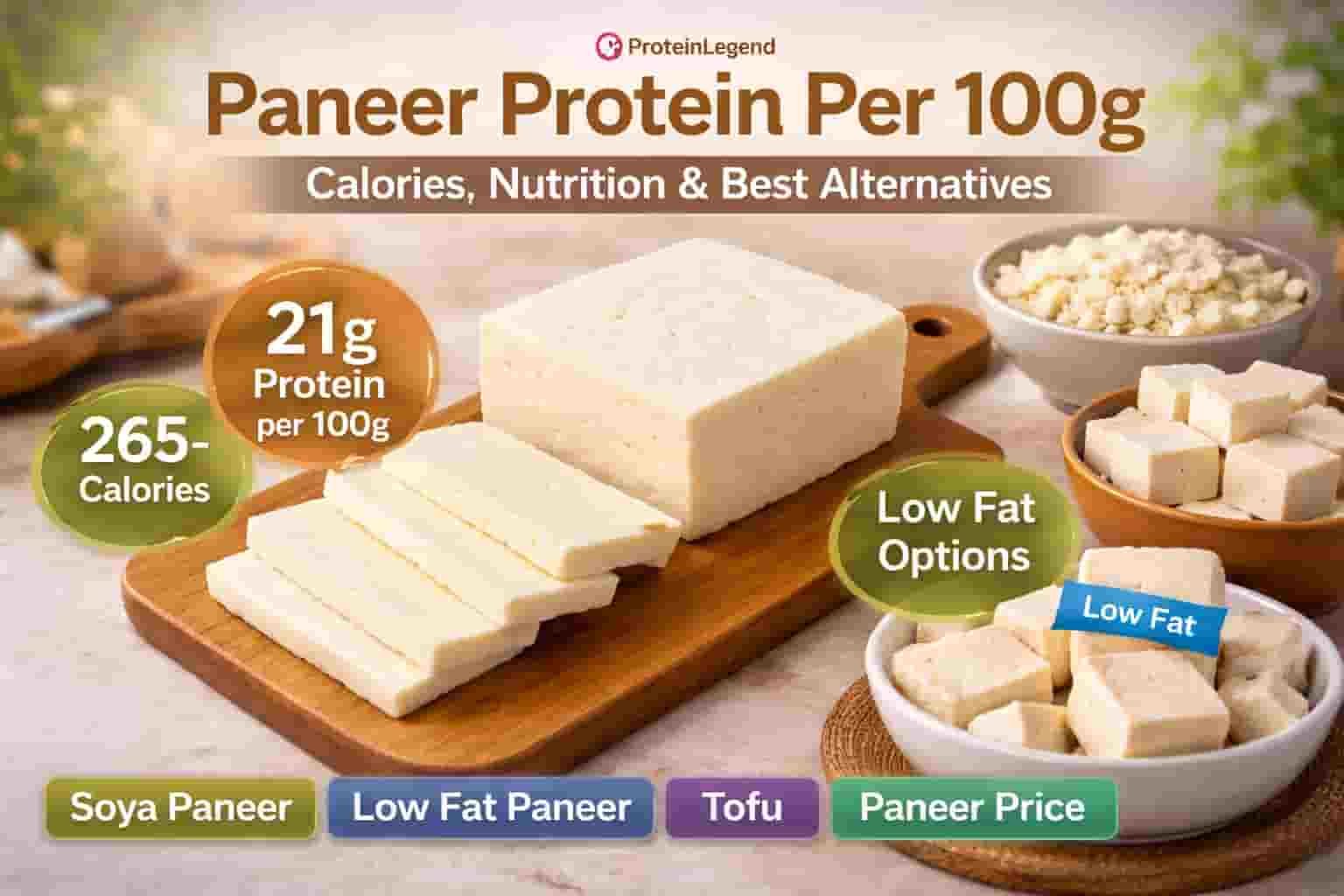
Paneer Protein Per 100g – Complete Nutrition Guide for Muscle Growth
Paneer is one of the most popular and protein-rich vegetarian foods in India. Whether you are trying to build muscle, lose fat, or simply improve your daily protein intake, understanding paneer protein per 100g is extremely important. Paneer is widely consumed by gym-goers, athletes, vegetarians, and health-conscious individuals because it provides high-quality protein along with calcium and essential nutrients. It is made from curdled milk and retains most of the milk proteins, especially casein, which is known for slow digestion and sustained amino acid release.
When we talk about paneer protein per 100g, regular full-fat paneer typically contains around 18 to 21 grams of protein per 100 grams. The exact number may vary slightly depending on the milk quality and preparation method. Along with protein, paneer also contains fats, carbohydrates in small quantities, and micronutrients such as calcium and phosphorus. Because of its balanced macronutrient profile, paneer supports muscle repair, improves bone strength, and provides long-lasting satiety.
For individuals focusing on muscle gain, paneer serves as a powerful vegetarian protein source. For weight loss seekers, portion control and choosing low fat paneer becomes important. In this detailed guide by ProteinLegend, we will explore paneer protein per 100g calories, soya paneer protein per 100g, tofu comparison, low fat options, and paneer pricing insights.
 Website Design Company in Ghaziabad webads24
Paneer Protein Per 100g Calories
When analyzing paneer protein per 100g calories, it is important to understand both macronutrients and energy contribution. Regular full-fat paneer typically contains around 265 to 300 calories per 100 grams. Out of these calories, approximately 18 to 21 grams come from protein, while the majority of remaining calories come from fat. Carbohydrate content is usually minimal, around 1 to 3 grams per 100 grams.
The calorie count makes paneer a calorie-dense food, which is beneficial for individuals aiming for muscle gain or bulking phases. However, those on calorie-restricted diets must monitor portion sizes carefully. Despite being calorie-rich, paneer is highly nutritious and provides essential amino acids required for muscle repair and recovery.
Protein contributes approximately 4 calories per gram. Therefore, if paneer contains 20 grams of protein per 100 grams, roughly 80 calories come from protein alone. The rest primarily comes from fats, which provide 9 calories per gram. This is why full-fat paneer has higher total calorie content compared to low fat alternatives.
For fitness enthusiasts, consuming paneer post-workout can support muscle protein synthesis. Its slow-digesting casein protein makes it particularly effective when consumed before bedtime, as it provides sustained amino acid release overnight.
Soya Paneer Protein Per 100g
Soya paneer, commonly known as soy paneer protein per 100g or soy-based protein block, differs significantly from traditional dairy paneer. Soya paneer protein per 100g is generally higher compared to regular paneer. It may contain approximately 20 to 25 grams of protein per 100 grams, depending on the brand and processing method.
Unlike dairy paneer, soya paneer is plant-based and suitable for vegans and lactose-intolerant individuals. It is made from soy milk and is rich in plant protein. While soy protein is considered a complete protein, its amino acid profile differs slightly from dairy-based casein protein. However, it still provides all essential amino acids required by the body.
Soya paneer is typically lower in saturated fat compared to regular paneer. It may also contain phytoestrogens known as isoflavones, which have been studied for potential health benefits. Fitness enthusiasts who avoid dairy often choose soya paneer as an alternative protein source.
However, some individuals may experience digestive discomfort with soy products. It is advisable to introduce it gradually into the diet and observe tolerance levels.
Low Fat Paneer Protein Per 100g
Low fat paneer protein per 100g is especially popular among individuals aiming for fat loss or lean muscle development. Low fat paneer is made using toned or skimmed milk, significantly reducing fat content while retaining protein.
Typically, low fat paneer contains around 20 to 23 grams of protein per 100 grams and provides approximately 150 to 200 calories. Since fat content is lower, overall calorie density decreases, making it suitable for calorie-controlled diets.
Because fat is reduced, texture may be slightly less creamy compared to full-fat paneer. However, from a nutritional perspective, it offers higher protein-to-calorie ratio, making it ideal for cutting phases or weight loss plans.
Athletes often prefer low fat paneer during competition preparation, as it supports muscle retention while minimizing excess calorie intake.
Tofu Paneer Protein Per 100g
Tofu, often referred to as bean curd, is sometimes compared to paneer due to similar appearance and usage. Tofu paneer protein per 100g generally ranges between 8 to 15 grams depending on firmness type. Extra firm tofu tends to contain higher protein concentration compared to soft tofu.
Tofu is plant-based and made from soybeans, making it suitable for vegans. However, its protein content per 100 grams is usually lower than traditional dairy paneer. Calorie content of tofu is also lower, often ranging between 70 to 120 calories per 100 grams.
While tofu is lighter and lower in calories, paneer typically contains more protein per serving. Therefore, individuals aiming for higher protein intake with smaller serving sizes may prefer paneer, while those focusing on low-calorie meals may choose tofu.
Nutritional Value of Paneer Per 100 g
The following table shows paneer protein per 100 g:
| Nutrient | Amount per 100 g |
| Calories | 318 kcal |
| Protein | 21 g |
| Total Fat | 24.7 g |
| Saturated Fat | 14 g |
| Carbohydrates | 3.5 g |
| Sugars | 2.8 g |
| Fibre | 0 g |
| Calcium | 710 mg |
| Sodium | 18-916 mg (varies by brand) |
| Cholesterol | 84-89 mg |
Paneer Protein Per 100g Price
Paneer protein per 100g price depends on brand, milk quality, and whether it is full-fat, low-fat, or organic. In India, regular paneer may cost approximately 80 to 120 INR per 200 grams, depending on the region and brand. Premium organic or high-protein variants may cost more.
When calculating protein cost efficiency, paneer provides approximately 20 grams of protein per 100 grams. If 200 grams costs 100 INR and provides roughly 40 grams of protein, cost per gram of protein becomes a useful metric for comparison against whey protein or other protein sources.
Homemade paneer may be more cost-effective and fresher. However, commercial brands provide convenience and standardized nutritional values.
Benefits of Paneer for Fitness and Health
Paneer supports muscle growth, improves bone strength due to calcium content, enhances satiety, and helps maintain lean body mass during calorie deficit. Its slow-digesting casein protein makes it highly beneficial for nighttime consumption.
For vegetarians, paneer is one of the most efficient high-quality protein sources available. Combined with a balanced diet including lentils, legumes, and grains, it can help meet daily protein requirements effectively.
Comparing Paneer with Other Protein Sources
The nutritionally enriched paneer protein per 100 g in comparison to other protein sources suggests paneer’s superiority among protein foods.
| Items | Protein (per 100 g) | Calories (per 100 g) | Benefits |
| Paneer | 21 g | 318 kcal | High calcium; low lactose (good for strength and bone health); casein-rich (slow-digesting protein) |
| Generic Paneer (range) | 18-20 g | 321 kcal | Protein and calorie values vary with fat and moisture content, like full-fat or low-fat paneer |
| Tofu (firm) | 10-12 g | 76 kcal | Plant-based protein; lower in calories; cholesterol-free; and contains isoflavones (good for heart health) |
| Milk (cow milk) | 3.3 g | 61 kcal | Lower protein density; good calcium source; whey + casein protein |
| Greek Yogurt (plain) | 10 g | 59 kcal | Low calories, high in probiotics; and a versatile food |
| Egg (whole and boiled) | 12.6 g | 155 kcal | Rich in essential amino acids, vitamins, and healthy fats; its yolk adds micronutrients. |
FAQs
How much protein is in paneer per 100g?
Regular paneer contains approximately 18 to 21 grams of protein per 100 grams, depending on preparation method.
Is paneer good for muscle gain?
Yes, paneer is rich in casein protein, which supports muscle repair and growth, making it beneficial for muscle gain.
Which has more protein, paneer or tofu?
Paneer generally contains more protein per 100 grams compared to tofu, especially full-fat dairy paneer.
Is low fat paneer better for weight loss?
Low fat paneer provides high protein with fewer calories, making it more suitable for weight loss diets.
How much paneer should I eat daily?
The amount depends on your total protein requirement. Typically, 100 to 200 grams per day can fit well into a balanced diet.
Is soya paneer healthy?
Yes, soya paneer is a good plant-based protein source and suitable for vegans and lactose-intolerant individuals.