Curd protein – The Nutritional Powerhouse Known as Curd
Curd, a staple in millions of households, is far more than just a side dish or a cooling agent for a spicy meal. For the community at ProteinLegend, it represents one of the most accessible and bioavailable sources of protein. The journey of curd begins with the fermentation of milk, where beneficial bacteria transform lactose into lactic acid, creating a thick, creamy texture that carries a dense profile of macronutrients. Unlike many processed protein supplements, curd provides a whole-food matrix that includes healthy fats, essential carbohydrates, and, most importantly, high-quality dairy proteins like casein and whey. This balance makes it an ideal food for muscle recovery, bone health, and metabolic efficiency.
 Website Design Company in Ghaziabad webads24
Understanding Curd Protein Per 100g
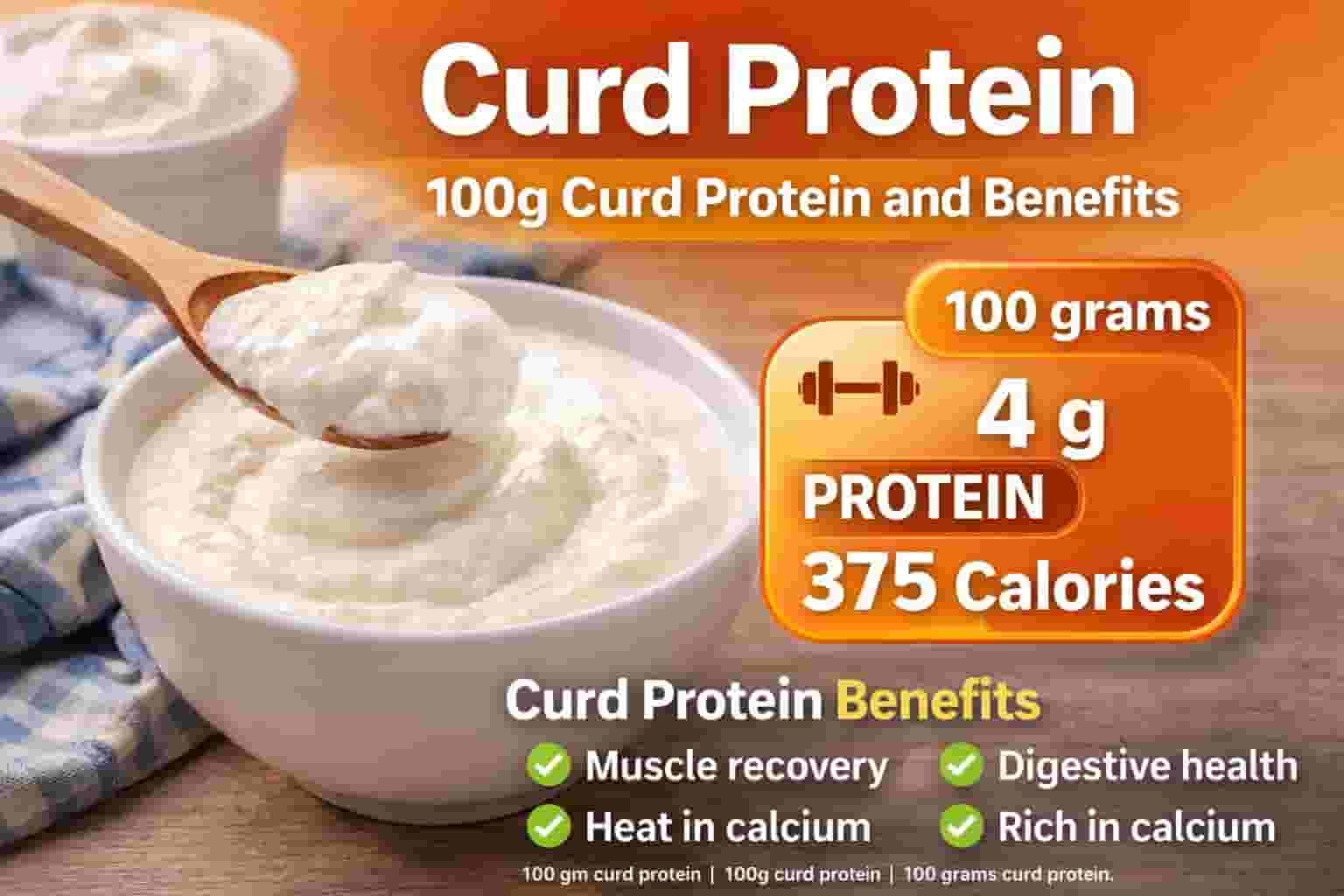
When we analyze curd protein per 100g, we are looking at the fundamental building block of dairy nutrition. On average, a standard 100g serving of whole-milk curd contains approximately 3 to 4 grams of protein. This might seem modest compared to meat, but the quality of this protein is exceptional. It contains all the essential amino acids required for human health. The protein in curd is primarily composed of casein, which is a slow-digesting protein. This slow release of amino acids into the bloodstream makes that 100g of curd an excellent snack before periods of fasting, such as sleep, ensuring that your muscles remain nourished even when you aren’t eating.
The Specifics of 100 gm Curd Protein for Athletes
For an athlete or a fitness enthusiast, calculating 100 gm curd protein is a daily ritual. In this specific quantity, you are not just getting protein; you are also receiving a significant dose of calcium and phosphorus. These minerals work in tandem with the protein to strengthen the skeletal system, which must support the increased muscle mass you are building. The biological value of curd protein is high, meaning a large percentage of the nitrogen is retained by the body for growth and maintenance. When you consume 100 grams of curd, you are giving your body a manageable, easily digestible portion of nutrients that won’t bloat the stomach, making it a perfect pre-workout or post-workout accompaniment.
The Unique Profile of Indian Curd Protein Per 100g
Indian curd, often referred to as Dahi, has a distinct profile because it is typically prepared using traditional fermentation methods at home or by local dairies. Indian curd protein per 100g can vary slightly depending on whether cow milk or buffalo milk is used. Buffalo milk, which is common in India, tends to be higher in protein and fat compared to cow milk. Therefore, 100g of Indian curd made from buffalo milk might push the protein count closer to the 4.5-gram mark. Furthermore, the live cultures found in Indian Dahi improve gut health, which is essential for the absorption of the very protein you are consuming. Without a healthy gut, even the highest protein intake is wasted, making the probiotic nature of Indian curd a massive advantage for muscle synthesis.
Maximizing Gains with 100g Curd Protein Strategies
Integrating 100g curd protein into a structured diet requires an understanding of caloric density. If you are on a lean bulk, this amount of curd provides the necessary satiety to prevent overeating while contributing to your daily protein goals. Because curd is naturally hydrating, that 100g serving also helps maintain electrolyte balance. Many people choose to strain their curd to create “hung curd,” which significantly concentrates the protein. By removing the whey (watery part), the remaining 100g of thick curd can contain nearly double the protein of standard curd, effectively turning it into a natural Greek yogurt equivalent that fits perfectly into a high-protein bodybuilding lifestyle.
The Impact of 100 Gram Curd Protein on Digestion
The beauty of 100 gram curd protein lies in its digestibility. Many people struggle with “protein bloat” when consuming shakes or heavy meats, but curd is pre-digested by bacteria. These bacteria break down the lactose, which is often the culprit behind digestive distress. When you consume 100 grams of curd, you are eating a food that is gentle on the stomach while still being functionally effective for muscle repair. The presence of lactic acid also helps in the absorption of other minerals from your meal, such as iron and zinc. This synergy makes curd a “catalyst food” that enhances the overall nutritional value of your entire plate.
Scaling Up the Intake with 200 gm Curd Protein
As your caloric needs increase, moving to 200 gm curd protein becomes a common strategy. At this volume, you are looking at roughly 7 to 9 grams of high-quality protein. This is a significant amount that can serve as a standalone meal or a heavy base for a protein smoothie. Consuming 200 grams allows for a more substantial release of bioactive peptides, which have been shown to have blood-pressure-lowering and antimicrobial properties. For those following a vegetarian diet, doubling the portion to 200 grams is one of the most effective ways to close the “protein gap” that often exists in plant-based diets, providing a creamy texture that satisfies cravings for rich, fatty foods without the negative health impacts of processed fats.
The Practicality of 100gm Curd Protein in Daily Meals
The versatility of 100gm curd protein cannot be overstated. It can be transformed into a savory raita, a sweet lassi, or used as a marinade for proteins like chicken or paneer. In a marinade, the enzymes in the curd help tenderize the meat, while the 100gm of curd itself adds a layer of moisture and additional amino acids to the dish. This makes the protein more bioavailable and the meal more enjoyable. For the ProteinLegend reader, consistency is key, and the ease of incorporating 100 grams of curd into breakfast, lunch, or dinner ensures that you never fall short of your nitrogen balance requirements.
Bulk Consumption and 1 kg Curd Protein Realities
For those on extreme mass-gaining phases or large families, looking at 1 kg curd protein provides a broader perspective. A full kilogram of curd contains approximately 35 to 40 grams of protein. This is equivalent to a large scoop and a half of whey protein powder, but with the added benefits of whole-food nutrition. Consuming 1 kg of curd protein over the course of a day provides a steady stream of casein, ensuring that the body is never in a catabolic state. However, one must be mindful of the fat content in 1 kg of whole-milk curd. For those watching their macros closely, opting for curd made from skimmed milk allows you to hit that 40g protein mark without the heavy caloric load of the fats found in a full kilogram of standard dairy.
Frequently Asked Questions (FAQs)
Is curd protein better than whey protein? Curd protein is a whole-food source containing mostly casein, which is slow-digesting, whereas whey protein is fast-digesting. Both have their place. Curd is better for long-term satiety and gut health, while whey is often preferred immediately after a workout for quick absorption.
Does boiling curd destroy the protein? Boiling or high heat can denature the proteins and kill the beneficial probiotic bacteria. While the amino acids remain, you lose the digestive benefits of the live cultures. It is best to consume curd fresh or at room temperature.
Can I get enough protein from curd alone for bodybuilding? While curd is an excellent source, relying on it alone might make it difficult to hit high protein targets (like 150g+) without consuming excessive calories. It is best used as a major component of a diverse diet including other sources like lentils, eggs, or lean meats.
Does homemade curd have more protein than store-bought? The protein content is generally similar, but homemade curd often contains more diverse strains of live bacteria. Store-bought “Greek Yogurt” is usually strained, meaning it has a much higher protein concentration per 100g than standard homemade curd.
Is it safe to eat 1 kg of curd every day? For most healthy individuals, eating a large amount of curd is safe, but it can lead to an intake of too many calories or saturated fats if it is made from whole buffalo milk. If you plan to