

Paneer Protein Per 100gm
Introduction: Why Paneer Is a Protein Powerhouse
Paneer, also known as Indian cottage cheese, is one of the most popular and widely consumed protein-rich foods in India. Whether you are a fitness enthusiast, a gym-goer, or someone looking to improve daily nutrition, paneer often tops the list of healthy food choices. One of the most frequently asked questions in the fitness and nutrition world is how much protein paneer contains per 100gm. Understanding paneer protein per 100gm helps people plan better diets, build muscle, improve recovery, and maintain overall health Paneer Protein Per 100gm.
How much protein is there in 100g paneer? Paneer is a great source of protein. For vegetarians, the protein in 100 gm paneer is incredibly nutritious. Interestingly, carbs in paneer are much and fit diabetics too. Many questions exist about paneer calories. But paneer vitamin records guarantee that the paneer, a healthy dietary value is nutritious and rich because of the protein in paneer.
Protein is a healthy substitute for paneer. Vegetarians can use paneer as a snack and as a chief dish to achieve paneer vitamins. Either soaking wet in both masalas or eating uncooked, paneer makes an outstanding choice as a vegetarian source of protein. The mystery of why paneer blends with delicacies is – its blandness. In this blog, we’ll take a closer take look at the nutrition facts of paneer and discover ways it’s going to help you to know how you can reach your weight goals.
Protein in 100gm of Paneer
In 100g paneer, protein carries 258kcal. Moreover, the protein in paneer, as a healthy option relies upon the serving time or serving size in grams. Below is a table that will help you benefit your perception of the protein content in a 100g Paneer and other protein sources. Let’s see the protein content in that paneer and compare it to famous sources if you want to know. Below table that compares paneer with other supplies of rich resources.
100gm paneer protein and calories
100gm paneer protein content
100gm paneer protein price
100gm paneer protein calories
amul 100gm paneer protein
per 100gm paneer protein
100gm paneer protein amul
Paneer is especially valuable in Indian diets because it offers high-quality protein without requiring meat consumption. For vegetarians, paneer acts as a complete and reliable protein source that supports muscle growth, bone strength, and metabolic health. ProteinLegend explores paneer protein content in detail so you can make informed dietary decisions.

Do You Know: Storm Shaker for Gym Bottle 700ml Amazon Check it…
Paneer Protein Per 100gm: The Exact Protein Content
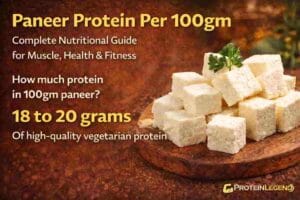
When we talk about paneer protein per 100gm, the average protein content ranges between 18 to 20 grams, depending on the quality of milk and preparation method. This makes paneer one of the highest protein vegetarian foods commonly available in Indian households.
The protein present in paneer is primarily casein protein, which is a slow-digesting protein. This slow digestion ensures a steady release of amino acids into the bloodstream, making paneer ideal for muscle repair and overnight recovery. Athletes and bodybuilders often prefer paneer in their dinner meals because it helps prevent muscle breakdown during sleep.
Paneer protein per 100gm is comparable to many animal-based protein sources, making it an excellent option for people who want to meet daily protein requirements naturally.
Why Paneer Protein Per 100gm Matters
Paneer is one of the most trusted protein-rich foods in Indian households. Whether you are a gym enthusiast, vegetarian, or someone simply trying to improve daily nutrition, understanding paneer protein per 100gm helps you make smarter dietary choices. Paneer is not only tasty and versatile but also packed with high-quality protein that supports muscle growth, recovery, and overall health.
At ProteinLegend, we believe that real fitness starts with real food. Paneer fits perfectly into this philosophy because it is natural, widely available, and nutritionally dense. This guide explores paneer protein per 100gm in detail, including calories, fat, price, and comparisons with other protein sources.
Paneer Protein Per 100gm: Nutritional Overview
Paneer protein per 100gm typically ranges between 18 to 20 grams. This makes paneer one of the highest protein vegetarian foods commonly consumed in India. The protein present in paneer is mainly casein protein, which is slow-digesting and provides a steady release of amino acids to the body.
This slow digestion is particularly beneficial for muscle maintenance and recovery. Paneer also contains essential amino acids that the body cannot produce on its own, making it a complete protein source.
Paneer Protein Per 100g Calories
Paneer protein per 100g calories usually falls between 260 to 300 calories, depending on the type of milk used. Full-cream paneer has higher calories due to its fat content, while low-fat paneer contains fewer calories.
These calories come from a balanced combination of protein and fat, which makes paneer a satiating food. The calorie density of paneer makes it suitable for people aiming for muscle gain as well as those managing weight, provided portion control is maintained.
Paneer Protein Per 100g Calories Fat
Fat content plays a significant role in paneer’s calorie count. Paneer protein per 100g calories fat varies depending on whether it is made from full-fat or toned milk. Full-fat paneer contains around 20 to 25 grams of fat per 100gm, contributing to higher energy levels and hormonal balance.
Healthy fats in paneer support vitamin absorption and provide long-lasting energy. However, people on weight loss diets often choose low-fat paneer to reduce calorie intake while maintaining protein consumption.
Paneer Protein Per 100g Indian Diet Perspective
In the Indian diet, paneer protein per 100g holds a special place because paneer is culturally accepted and widely available. Unlike many Western protein sources, paneer blends seamlessly into Indian meals such as curries, stir-fries, and snacks.
Paneer is commonly consumed across North and South India and is often preferred by vegetarians as a primary protein source. Its compatibility with Indian spices and cooking methods makes it easier to follow a high-protein diet without drastic dietary changes.
Raw Paneer Protein Per 100g
Raw paneer protein per 100g remains largely the same as cooked paneer, provided it is not deep-fried or overcooked. Raw paneer contains approximately 18 to 20 grams of protein per 100gm and retains its natural texture and nutrients.
Eating raw or lightly cooked paneer helps preserve its protein structure and digestibility. Many fitness-conscious individuals prefer lightly sautéed or raw paneer to avoid unnecessary calorie addition.
Homemade Paneer Protein Per 100g
Homemade paneer protein per 100g is often slightly higher in quality compared to store-bought paneer. Homemade paneer is free from preservatives and stabilizers, making it easier to digest and nutritionally cleaner.
Protein content in homemade paneer generally stays within the same range of 18 to 20 grams per 100gm, depending on milk quality. At ProteinLegend, we recommend homemade paneer whenever possible for maximum nutritional benefits.
Paneer Protein Per 100g Price in India
Paneer protein per 100g price in India varies by location and brand. On average, paneer costs between ₹40 to ₹80 per 100gm in most Indian cities. Homemade paneer can be even more economical when made in bulk.
Considering the protein content paneer offers, it is a cost-effective protein source compared to many supplements and processed foods. Paneer provides not just protein but also essential minerals, making it a value-for-money nutrition option.
Paneer Protein Per 50g
Paneer protein per 50g provides approximately 9 to 10 grams of protein. This portion size is useful for people who want to include paneer in meals without consuming excessive calories.
For beginners or individuals on calorie-restricted diets, 50g paneer servings help maintain protein intake while controlling fat and calorie consumption.
Paneer Protein Per 100g vs Tofu
When comparing paneer protein per 100g vs tofu, paneer generally contains more protein and calories. Paneer offers around 18 to 20 grams of protein per 100gm, while tofu typically provides around 8 to 12 grams per 100gm.
Tofu is lower in calories and fat, making it suitable for vegan diets and weight loss. Paneer, on the other hand, supports muscle gain more effectively due to higher protein density and fat content. The choice between paneer and tofu depends on dietary preferences, fitness goals, and digestion tolerance.
Paneer Protein Per 100gm for Muscle Building
Paneer protein per 100gm plays a vital role in muscle development. Casein protein in paneer supports prolonged muscle protein synthesis, which is especially beneficial during rest and sleep.
Athletes and gym-goers often consume paneer post-workout or at night to prevent muscle breakdown. Its slow absorption rate ensures continuous nourishment to muscle tissues.
Paneer Protein Per 100gm for Weight Loss
Despite being calorie-dense, paneer protein per 100gm can be beneficial for weight loss when consumed mindfully. High protein intake increases satiety and reduces overall calorie consumption throughout the day.
Low-fat paneer is particularly suitable for weight loss diets as it provides protein without excessive fat. Portion control and cooking methods play a crucial role in making paneer weight-loss friendly.
Digestibility of Paneer Protein
Paneer is easier to digest compared to many other dairy products. Most of the lactose is removed during the paneer-making process, making it suitable for people with mild lactose sensitivity.
Proper digestion ensures better protein absorption, which maximizes the benefits of paneer protein per 100gm for muscle and overall health.
Paneer Protein Per 100gm in Daily Diet Planning
Including paneer protein per 100gm in daily meals helps meet protein requirements without relying heavily on supplements. Paneer can be consumed during breakfast, lunch, or dinner depending on individual needs.
Consistency in protein intake matters more than timing. Paneer offers flexibility and convenience, making it easy to stick to a protein-rich diet.
Why ProteinLegend Recommends Paneer
ProteinLegend promotes sustainable, natural nutrition. Paneer protein per 100gm aligns with this approach by providing a whole-food protein source that supports fitness, strength, and long-term health.
Paneer is affordable, accessible, and adaptable to various dietary patterns, making it a legendary protein choice for Indian fitness enthusiasts.
Nutritional Profile of Paneer Beyond Protein
Paneer is not just about protein. Along with paneer protein per 100gm, it also provides essential nutrients such as calcium, phosphorus, healthy fats, and vitamins like B12 and A. Calcium supports bone density and joint health, while phosphorus plays a key role in energy production and cellular repair.
The fat content in paneer varies depending on whether it is made from full-cream or toned milk Paneer Protein Per 100gm. Full-cream paneer provides more calories and fats, making it suitable for weight gain, while low-fat paneer is preferred for weight loss and lean muscle building.
Factors affecting protein content
Protein content in dairy products is encouraged by several factors. The kind of milk can play a key role; for example, both cow’s milk and paneer contain more protein than almond or oat milk. Homemade vs. Shop-offered products also range-store-offered options frequently that paneer contains of raw components, that could dilute protein levels and homemade versions can be tailored for daily diet content. Processing techniques and milk quality similarly impact average protein composition.
Paneer Nutritional Value Per 100gm
Paneer is crafted the most from milk by breaking milk down with its very own chemicals and using both vinegar and or citric acid. Paneer is a rich source of protein, carbohydrates, and fats in the proper mix. Health-conscious people are worried about polyunsaturated fat, paneer and calories. Here are the paneer nutrient facts per 100g;
Paneer also contains minimal carbohydrates, which makes it suitable for low-carb and ketogenic-style diets when consumed in moderation.
Paneer Protein Per 100gm for Muscle Building
For muscle growth, protein quality and digestion speed matter as much as quantity. Paneer protein per 100gm offers complete amino acid support, especially rich in branched-chain amino acids that are essential for muscle repair.
Paneer’s slow-digesting nature ensures prolonged muscle protein synthesis, which is why many fitness experts recommend paneer as a nighttime protein source. Consuming paneer after workouts or before bed can reduce muscle soreness and accelerate recovery.
ProteinLegend emphasizes paneer as a natural muscle-building food, especially for individuals who prefer whole foods over supplements.
Paneer Protein Per 100gm for Weight Gain
Paneer is an excellent food choice for people trying to gain healthy weight. The combination of high protein and moderate fat content helps increase calorie intake without relying on junk food. Paneer protein per 100gm supports lean mass gain rather than fat accumulation when combined with strength training.
Including paneer in meals such as breakfast, lunch, or dinner helps maintain calorie surplus while ensuring nutritional balance. It also keeps you full for longer durations, reducing unnecessary snacking.
What About Protein in Different Paneer Recipes?
Sure, plain paneer is great, but it really comes to life in these signature Indian Paneer recipes. And how much protein in paneer dishes? Not bad at all, but you need to control the calories depending on the dish. Let’s break it down with both protein and approximate calorie content per serving of some paneer dishes (about 150 grams typical serving):
Palak Paneer: A popular North Indian dish it has rich, creamy texture with a distinct spinach flavour, balanced by the spices and the mild taste of paneer.
- Protein: 10 grams
- Calories: 194 calories (Per 200g serving)
Shahi Paneer: A rich, creamy dish made with paneer in a spiced tomato gravy.
- Protein: 15 grams
- Calories: 280-350 calories (depending on cream and oil used in preparation)
Paneer Lababdar: Paneer cubes in a tangy, spiced tomato gravy.
- Protein: 18 grams
- Calories: 330-380 calories (due to the use of ghee and cream)
Kadai Paneer: Panee
Paneer Protein Per 100gm for Weight Loss
Despite being calorie-dense, paneer can also be included in weight loss diets when consumed in controlled portions. Paneer protein per 100gm helps preserve muscle mass during calorie deficit, which is essential for maintaining metabolism.
Protein-rich foods like paneer increase satiety and reduce hunger hormones. This helps people stick to calorie-controlled diets without feeling deprived. Low-fat paneer is especially suitable for weight loss goals.
Paneer Protein Per 100gm for Vegetarians
Vegetarians often struggle to meet daily protein requirements due to limited food options. Paneer protein per 100gm fills this nutritional gap effectively. Unlike plant proteins that may lack certain amino acids, paneer provides complete protein support.
For vegetarians who engage in physical activity, paneer is a reliable source that supports strength, endurance, and recovery. ProteinLegend recommends paneer as a core protein source in vegetarian diets.
Paneer vs Other Protein Sources
When comparing paneer protein per 100gm with other foods, paneer stands strong against eggs, milk, and some legumes. While whey protein offers higher protein concentration, paneer provides additional nutrients and digestive benefits.
Unlike processed protein supplements, paneer is a natural food with no artificial additives. This makes it safer for long-term consumption and suitable for all age groups.
Best Time to Consume Paneer for Maximum Protein Benefits
The timing of protein intake affects its effectiveness. Paneer protein per 100gm is most beneficial when consumed post-workout or before bedtime. Post-workout consumption aids muscle recovery, while nighttime consumption prevents muscle breakdown.
Paneer can also be consumed during breakfast or lunch for sustained energy throughout the day. Its slow digestion ensures long-lasting satiety and nutrient absorption.
How Much Paneer Should You Eat Daily
The ideal paneer intake depends on individual protein requirements. On average, consuming 100 to 200gm paneer daily is sufficient for most people. Paneer protein per 100gm contributes significantly toward daily protein goals without overloading calories.
Athletes and bodybuilders may require higher intake based on training intensity and body weight Paneer Protein Per 100gm.
Paneer Protein Per 100gm and Digestibility
Paneer is easy to digest for most people, especially compared to other dairy products. The fermentation process involved in paneer preparation improves digestibility and nutrient absorption.
People with mild lactose sensitivity often tolerate paneer better than milk because most lactose is removed during curdling.
Health Benefits of Paneer Protein
Paneer protein per 100gm supports immune function, hormone production, and tissue repair. Regular consumption helps improve bone health, maintain muscle tone, and support overall vitality.
Paneer also contributes to heart health when consumed in moderation and prepared with minimal oil.
Paneer Protein Per 100gm in Indian Diet Culture
Paneer has been a staple in Indian cuisine for centuries. Its versatility allows it to be included in traditional as well as modern fitness-oriented meals. Paneer protein per 100gm aligns perfectly with Indian dietary habits, making it easier for people to follow healthy eating patterns.
Why ProteinLegend Recommends Paneer
ProteinLegend promotes natural and balanced nutrition. Paneer protein per 100gm offers an affordable, accessible, and effective protein source suitable for beginners and advanced fitness enthusiasts alike.
By including paneer in your daily diet, you support muscle growth, improve recovery, and enhance overall health without depending entirely on supplements.
Conclusion: Is Paneer Worth It for Protein?
Paneer protein per 100gm makes paneer one of the best vegetarian protein sources available. It supports muscle building, weight management, bone health, and long-term wellness. Whether your goal is fitness, strength, or general health, paneer deserves a permanent place in your diet.
With its rich nutritional profile, ease of digestion, and versatility, paneer remains one of the best vegetarian protein sources available. ProteinLegend encourages you to include paneer wisely and consistently as part of a balanced lifestyle.
ProteinLegend believes that smart nutrition starts with understanding your food, and paneer is a perfect example of natural protein done right.
Stay strong. Stay original. Stay legendary – best deep Instagram bio quotes ProteinLegend 