

Soya Paneer Protein Per 100g
Introduction: Understanding Soya Paneer as a Protein Source
Soya paneer, often referred to as tofu or soy-based paneer, has become increasingly popular among fitness enthusiasts, vegetarians, and people following plant-based diets. In recent years, awareness about protein intake has grown, and soya paneer has emerged as a strong alternative to traditional dairy paneer. Understanding soya paneer protein per 100g helps individuals make informed choices about their nutrition, fitness, and overall health. Plant-based nutrition has revolutionized how we think about protein, and soya paneer stands at the forefront of this transformation. For health-conscious individuals seeking clean, reliable protein sources, understanding the exact nutritional profile of soya paneer becomes crucial. This comprehensive guide breaks down everything you need to know about soya paneer protein per 100g, helping you make informed decisions about incorporating this versatile food into your optimized nutrition plan. Whether you’re comparing it to traditional paneer or evaluating it against other vegetarian protein sources, we’ll cut through the confusion with science-backed facts.

Do You Know: Storm Shaker for Gym Bottle 700ml Amazon Check it…
At ProteinLegend, we focus on educating people about practical and sustainable protein sources. Soya paneer fits perfectly into modern fitness lifestyles because it is plant-based, affordable, and nutritionally efficient. This article explains everything about soya paneer protein, calories, price, and comparisons with other popular protein sources.
Soya Paneer Protein Per 100g: Nutritional Overview
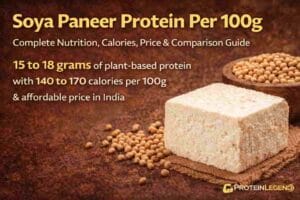
Soya paneer protein per 100g generally ranges between 15 to 18 grams of protein, depending on processing quality and water content. While slightly lower than traditional paneer in some cases, soya paneer offers high biological value protein derived from soybeans.
Soy protein contains all essential amino acids, making soya paneer a complete protein source. This makes it especially beneficial for vegetarians, vegans, and people who avoid dairy products. Soya paneer protein per 100g supports muscle repair, tissue growth, and metabolic functions.
Understanding Soya Paneer Protein Content Per 100g
The protein content in soya paneer varies significantly across brands and preparation methods, ranging from 8 to 17.5 grams per 100g serving. This variation isn’t random—it depends on factors like soy concentration, processing techniques, and added ingredients that manufacturers use to enhance texture and flavor.
Exact Protein Numbers You Need to Know
When examining soya paneer protein per 100g, the numbers tell an interesting story. Premium brands deliver approximately 14.19g to 16.5g of protein per 100g. These variations occur because different manufacturers use varying soy-to-water ratios and processing methods that affect the final protein concentration.
Soya Paneer Protein Per 100g Calories
Soya paneer protein per 100g calories usually ranges between 140 to 170 calories. This calorie count is significantly lower than dairy paneer, making soya paneer an excellent option for weight-conscious individuals.
The lower calorie density of soya paneer allows people to consume larger portions while staying within their daily calorie limits. This makes soya paneer suitable for fat loss diets, clean eating plans, and plant-based fitness routines.
Soya Paneer vs Regular Paneer: The Ultimate Protein Showdown
The comparison between soya paneer and traditional dairy paneer reveals fascinating insights about modern nutrition choices. Regular paneer consistently delivers 22-25g of protein per 100g, making it a protein powerhouse that soya paneer can’t quite match numerically.
Protein Content Comparison
When analyzing protein in 100g paneer versus soya paneer, traditional dairy paneer wins on pure protein content. However, this comparison misses the broader nutritional picture. Soya paneer provides plant-based protein that comes with different benefits, including lower saturated fat content and zero cholesterol.
Soya Paneer Protein Per 100g in India
In India, soya paneer protein per 100g has gained popularity due to increasing awareness of plant-based nutrition. Soya paneer is widely available in urban areas through supermarkets, online grocery platforms, and health food stores soya paneer protein per 100g.
Indian diets traditionally rely on paneer, dal, and legumes for protein. Soya paneer offers a modern alternative that aligns well with Indian cooking styles while providing a lighter and more digestible protein source.
Soya Paneer Price in India
Soya paneer price in India generally ranges from ₹25 to ₹50 per 100g, depending on brand, location, and packaging. Homemade or locally produced soya paneer can be even more economical.
Considering the protein content and calorie efficiency, soya paneer is a cost-effective protein source. ProteinLegend recommends soya paneer as a budget-friendly option for people looking to increase protein intake without spending heavily on supplements.
How Many Protein in 200 gm Paneer
When consuming traditional dairy paneer, protein intake increases proportionally. 200 gm paneer provides approximately 36 to 40 grams of protein, depending on fat content and milk quality.
This amount of protein is sufficient for a complete meal for many individuals. Paneer is often consumed in larger portions because of its taste and satiety, making it suitable for muscle gain and calorie surplus diets.
Protein in 100 gm Chicken
Protein in 100 gm chicken is approximately 27 to 31 grams, depending on the cut and cooking method. Chicken is considered one of the highest protein animal foods with low fat content when skinless.
Compared to soya paneer protein per 100g, chicken offers higher protein density but lacks fiber and plant-based nutrients. The choice between chicken and soya paneer depends on dietary preferences, ethical choices, and digestion comfort.
100 Gram Paneer Protein Calories
100 gram paneer protein calories typically fall between 260 to 300 calories. These calories come from a combination of protein and fat, making paneer a calorie-dense food.
While paneer is excellent for muscle gain, its higher calorie content may not suit everyone, especially those on weight loss diets. This is where soya paneer becomes a lighter alternative.
100 gm Paneer Calories
100 gm paneer calories depend largely on fat content. Full-fat paneer contains higher calories, while low-fat paneer reduces overall energy intake. On average, 100 gm paneer provides enough energy to support workouts and recovery.
For individuals focusing on calorie control, portion size and preparation methods are crucial when consuming paneer.
Soya Paneer vs Dairy Paneer: Which Is Better?
Soya paneer protein per 100g is lower in calories and fat compared to dairy paneer. This makes it ideal for people focusing on lean muscle building or weight loss. Dairy paneer, on the other hand, offers higher calories and fat, which supports muscle gain and energy needs.
Both have their own advantages, and the choice depends on fitness goals, taste preferences, and dietary restrictions.
Soya Paneer Protein for Muscle Building
Soya paneer protein per 100g supports muscle growth through complete amino acid availability. Although soy protein digests slightly faster than casein protein in paneer, it still provides effective muscle recovery support.
Athletes following plant-based diets rely heavily on soya paneer for meeting daily protein requirements without compromising nutrition.
Soya Paneer Protein for Weight Loss
Soya paneer is particularly beneficial for weight loss due to its low calorie and moderate protein content. High satiety and low fat help control hunger and prevent overeating.
ProteinLegend recommends soya paneer as a clean protein option for individuals aiming to reduce body fat while maintaining muscle mass.
Digestibility and Health Benefits of Soya Paneer
Soya paneer is easy to digest for most people and is lactose-free, making it suitable for those with lactose intolerance. It also supports heart health due to its low saturated fat content.
Regular consumption of soya paneer contributes to improved digestion, better cholesterol levels, and overall metabolic health.
Soya Paneer in Daily Diet Planning
Including soya paneer protein per 100g in daily meals helps diversify protein sources. It can be consumed during lunch or dinner and pairs well with vegetables and grains.
Consistency in protein intake is more important than relying on a single source. Soya paneer adds balance to vegetarian and mixed diets.
Why ProteinLegend Recommends Soya Paneer
ProteinLegend supports smart nutrition choices that are sustainable and accessible. Soya paneer protein per 100g aligns with modern fitness goals by offering a plant-based, affordable, and effective protein source.
It is especially suitable for people who want to reduce dairy intake while maintaining protein levels.
Conclusion: Is Soya Paneer Worth Including in Your Diet?
Soya paneer protein per 100g offers a balanced combination of protein, low calories, and affordability. Whether your goal is weight loss, muscle maintenance, or plant-based nutrition, soya paneer is a valuable addition to your diet.
When compared with paneer and chicken, soya paneer stands out as a lighter, cleaner protein option. ProteinLegend encourages mindful inclusion of soya paneer for long-term health and fitness success.